24 HOUR FIRE & WATER RESPONSE - 7 DAYS A WEEK


Pressure Is What Makes Pipe Bursts Different
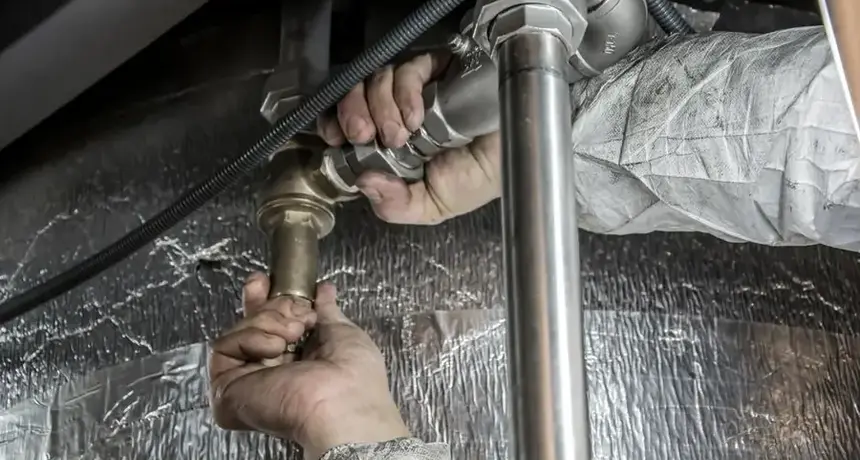
A drain leak weeps; a supply line burst discharges. Residential supply pressure pushes multiple gallons a minute through even a modest split, which means an hour of unnoticed failure puts hundreds of gallons into the structure, and a burst during a workday or a weekend away puts thousands. The water follows gravity through floor assemblies and wall cavities, shows up two rooms from the failure, and saturates everything on the path. The first move belongs to the homeowner: the main shutoff, usually at the meter or where the service enters the house, ends the input. Everything after that belongs to the response.
The moment the main is closed, call (703) 397-8315 and while the crew rolls, the dispatcher on (703) 397-8315.
Where Fairfax Pipes Fail
Age and materials write the failure map. The copper in mid-century Fairfax homes pinholes where decades of water chemistry thinned the wall, and fails outright at joints that froze once too often. Polybutylene from its 1980s-90s construction window remains a known failure material wherever it survives. CPVC grows brittle in hot-line service. And every material fails at the fittings first: the compression joint under a sink, the supply stop behind a toilet, the flexible connector on a washing machine, which is why so many bursts happen at fixtures rather than in walls. Wall and ceiling cavity failures hide longest and damage widest, announcing themselves as stains, bulges, or the sound of running water with every fixture off.
The Cleanup Scope After the Plumber Leaves
The pipe repair is minutes of plumbing; the water is days of restoration. Extraction clears the standing volume, cavity assessment opens what the flow path saturated, and insulation that took water comes out because wet batts neither dry in place nor insulate again. Drying equipment placement follows the moisture map into the cavities the water traveled, not just the rooms where it pooled. Cold-weather failures, the frozen-and-split lines of a Fairfax January, carry their own dynamics and their own page at Frozen Pipe Damage; fixture-connector failures are covered under Supply Line & Appliance Flood; and ceiling-path damage from upstairs failures runs under Ceiling Water Damage.
 COMMON QUESTIONS
Frequently Asked Questions
More questions? Call (703) 397-8315, answered around the clock.
24/7 EMERGENCY DISPATCH
Pipe Burst in Your Fairfax Home?
Close the main, then call (703) 397-8315. Extraction and cavity drying start the same day. Licensed & insured Virginia contractors · (703) 397-8315 · Fairfax City and Fairfax County