24 HOUR FIRE & WATER RESPONSE - 7 DAYS A WEEK


Why the Smell Outlives the Cleanup
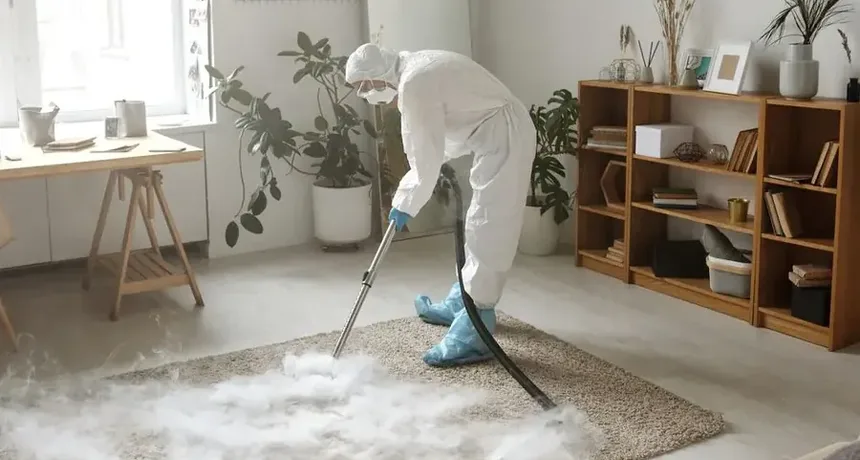
Smoke odor is molecular, not visual. Combustion releases volatile organic compounds, aldehydes, and phenols small enough to penetrate drywall paper, wood grain, carpet pad, upholstery fill, insulation batts, and the microscopic pores of paint films. Those molecules keep off-gassing from inside the material long after every visible trace of the fire is gone, which is why a homeowner can scrub a house top to bottom and still smell smoke every humid morning. Humidity and heat accelerate the off-gassing, so a Fairfax August will resurrect an odor that seemed beaten in April.
Fairfax Fire & Water Specialists sequences odor work after cleaning, never in place of it, because deodorizing over residue traps an active odor source under the treatment. Once surfaces are clean, the remaining odor load is inside the materials, and the treatment toolkit is built to reach it there. Start the response at (703) 397-8315; a dispatcher on (703) 397-8315 can walk you through the first steps while the crew rolls.
The Treatment Toolkit: Fogging, Hydroxyl, Ozone, Sealing
Thermal fogging generates a deodorant fog with droplet sizes that mimic smoke particles, so the fog rides the same air paths the smoke took, into the same wall cavities, closets, and duct runs, and neutralizes odor molecules where they lodged. It is the workhorse for whole-structure odor after a significant fire, and it requires the space to be vacated during treatment and aired afterward.
Hydroxyl generators run in occupied or semi-occupied spaces, using UV-activated radicals to break down odor compounds in the air and on surfaces continuously over days. They are slower than ozone but safe to run while contents processing and rebuild work continue around them. Ozone treatment is the aggressive option for severe, concentrated odor: it oxidizes odor molecules fast, but the structure must be completely empty of people, pets, and plants during the shock treatment and purged with fresh air before re-entry. Most substantial Fairfax fire losses get a combination: fogging for structure penetration, hydroxyl during the rebuild phase, ozone reserved for the worst zones.
Sealing is the honest last resort for materials where odor absorbed too deep to extract but replacement is not warranted: framing members, subfloor, and masonry get an odor-barrier sealer that locks the remaining compounds inside permanently. Sealing before extraction treatment is a shortcut that fails; sealing after it is a standard, durable finish to the scope.
The Two Odor Reservoirs Fairfax Homes Hide
The HVAC system is the first. Smoke pulled through the return side during the fire coats the air handler, plenum, and duct interiors with odor-bearing residue, and every heating or cooling cycle afterward redistributes the smell through the house. Duct cleaning and in-duct fogging close that loop, and no odor scope is complete without addressing it.
The second is the attic insulation. Blown or batt insulation is an enormous odor sponge sitting directly above the living space, and in Fairfax's townhome rows with shared attic volumes, a neighbor's fire can load your insulation with odor even when your unit shows minimal visible residue. Insulation that has absorbed heavy smoke odor is a replacement item, not a treatable one, and we document it as such for the claim. Related scope: Smoke Damage from a Neighboring Fire.
Puffback and Chimney Odors Are Their Own Problem
Oil-soot odor after a furnace puffback carries a petroleum signature that standard smoke deodorants mask briefly and fail against, and creosote odor after a chimney fire has a similar persistence. Both need treatment chemistry matched to the compound, which is part of why those losses are scoped separately: Furnace Puffback Cleanup and Chimney Fire Damage cover the full response for each.
 COMMON QUESTIONS
Frequently Asked Questions
More questions? Call (703) 397-8315, answered around the clock.
24/7 EMERGENCY DISPATCH
Still Smelling the Fire Weeks Later?
The odor is embedded, not lingering. Call (703) 397-8315 for source treatment that ends it instead of masking it. Licensed & insured Virginia contractors · (703) 397-8315 · Fairfax City and Fairfax County