24 HOUR FIRE & WATER RESPONSE - 7 DAYS A WEEK


A Fire Inside the One Part of the House Built for Fire
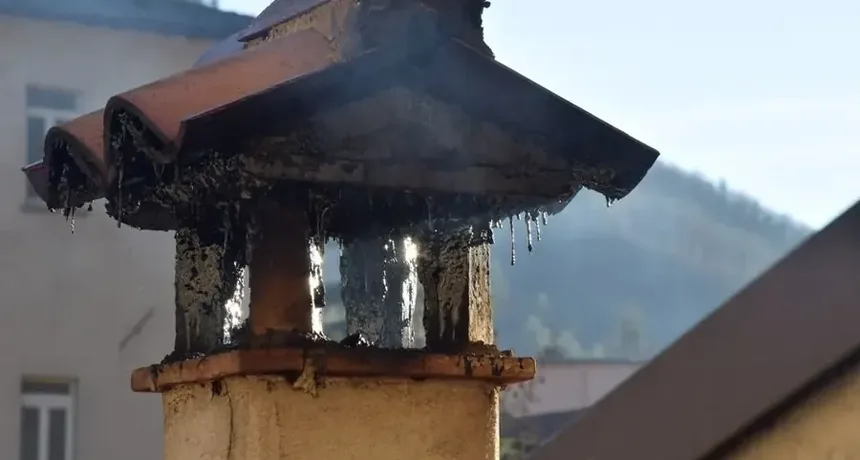
Chimney fires ignite when the creosote lining a flue reaches ignition temperature, usually during a hot burn after a season of low, smoldering fires that painted the flue walls with fuel. The event ranges from a freight-train roar with flames visible at the cap to a slow, quiet burn the household never notices until a sweep finds the evidence. Either way, the fire happened inside a masonry or metal channel that runs through the core of the house, passing framing, attic space, and roof structure on its way up, and the damage assessment has to walk that entire path.
Fairfax Fire & Water Specialists restores chimney fire losses across the City of Fairfax and Fairfax County, where wood-burning fireplaces remain standard equipment in the colonial and split-level stock and where a share of chimneys serve older oil-fired heating equipment as well. A call to (703) 397-8315 gets a live person, and that same line, (703) 397-8315, handles claim questions too.
The Damage Path: Firebox, Flue, Attic, Roofline
Inside the flue, a creosote fire cracks clay tile liners, opens mortar joints, and warps metal liners, failures that turn the next ordinary fire into a house-fire risk because flame and gas can now reach the framing that surrounds the chimney chase. The liner assessment belongs to a chimney professional, and no fireplace should burn again until that inspection clears it; our scope picks up everything the fire did beyond the liner.
That starts in the attic. Chimney fires shower sparks and embers from the cap, and they radiate intense heat through the masonry into the chase framing. We inspect the attic for ember scorching on sheathing and insulation, heat damage to rafters and chase framing, and the smoke residue that a breached flue pushes into the attic volume. Roofline damage follows the same logic: scorched shingles around the cap, damaged flashing, and any ember burns down-slope. Fairfax's older homes raise the stakes here, because unlined or minimally lined chimneys in the earliest housing stock, including Old Town Fairfax's historic structures, put hot masonry directly against old-growth framing that has been drying toward tinder for a century.
The Interior Scope: Smoke Where You Live
A chimney fire that breaches the flue or backdrafts at the firebox pushes smoke and creosote-laden soot into the living space, and creosote residue is among the most stubborn deposits in restoration: tarry, acidic, odor-dense, and prone to staining anything it touches. The hearth room takes the concentration, and airflow carries the rest through the floor plan. Surface protocols for creosote parallel the oil-soot approach, solvent pre-treatment before contact cleaning, and the odor phase leans on fogging matched to creosote compounds. The broader deposit-chemistry picture lives on our Soot Removal page, and the odor phase on Smoke Odor Removal.
Where suppression involved water, whether a garden hose up the flue before the engine company arrived or hose lines through the roof, the water scope gets documented alongside the fire scope. That intersection is covered under Firefighting Water Cleanup.
Documentation That Matches How These Claims Get Reviewed
Chimney fire claims turn on cause and extent. Carriers cover the sudden fire event; they push back on damage they can attribute to long-term deterioration or deferred maintenance. The distinction lives in the documentation: photographs of ember and heat damage before any cleanup, the chimney professional's liner report, moisture readings where suppression water entered, and a scope that separates fire-event damage from pre-existing wear. We build the file in that structure from the first visit, because rebuilding it after a dispute starts is ten times the work.
The restoration itself runs from attic remediation and roofline repairs through interior cleaning, odor treatment, and repainting the hearth room. The fireplace goes back into service only after the flue work is complete and certified, and we sequence our finish work around that timeline so nothing gets closed up before the chimney trade is done inside the chase.
 COMMON QUESTIONS
Frequently Asked Questions
More questions? Call (703) 397-8315, answered around the clock.
24/7 EMERGENCY DISPATCH
Chimney Fire at Your Fairfax Home?
The visible damage is the smallest part. Call (703) 397-8315 for the attic-to-hearth assessment before the next cold night tempts another fire. Licensed & insured Virginia contractors · (703) 397-8315 · Fairfax City and Fairfax County