24 HOUR FIRE & WATER RESPONSE - 7 DAYS A WEEK


Every Fairfax Fire Produces Four Losses
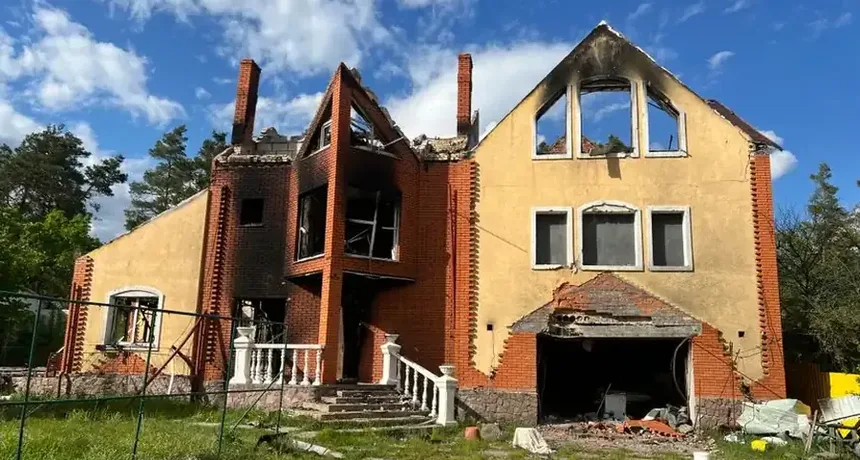
The flames get the attention, but by the time an engine company from one of Fairfax County's 39 fire stations has knocked a residential fire down, the burn itself is often the smallest of the four damage scopes on the property. Smoke has pushed through the ductwork and door gaps into rooms the fire never touched. Soot is settling onto every horizontal surface and starting the acid reactions that etch metal within hours. And the hose lines have left hundreds of gallons of contaminated water working its way down through the floor assemblies. Fairfax Fire & Water Specialists was built around this reality: a fire loss is a four-front loss, and treating one front while the other three wait is how a two-week restoration becomes a four-month one.
Our crews stage the response in the order the damage clock demands. Board-up and structural stabilization come first, because an open structure invites weather damage and liability on top of the fire loss. Firefighting water extraction runs in the same visit, because that water is classified as contaminated after moving through combustion debris and it feeds mold growth from the first day. Smoke and soot assessment happens before anything is wiped or moved, because the residue pattern is evidence your insurance claim will be scored against. One number covers assessment and dispatch: (703) 397-8315, answered live at (703) 397-8315 around the clock.
Fairfax's Housing Stock Burns Differently
Fire behavior follows construction, and Fairfax's construction spans seventy years of building codes. The post-war ramblers around the City of Fairfax carry original wood framing that has dried for six decades, plaster walls that hold heat, and in a meaningful share of cases, the oil-fired furnaces and fuse-era electrical panels that start fires in the first place. When these homes burn, the fire moves through balloon-framing voids and uninsulated cavities that modern fire-blocking would have stopped, which means the damage assessment has to open walls the flames never visibly touched.
The townhome rows built across Springfield, Burke, Kingstowne, and Franconia from the 1970s onward present the opposite problem: a fire in one unit becomes a smoke and water event for the neighbors through shared party walls, common attics, and the firefighting operation itself. We regularly restore units where the fire happened two doors down. Related service: Smoke Damage from a Neighboring Fire.
Old Town Fairfax adds a third profile: structures that predate every modern electrical and fire code, where restoration after smoke damage has to respect original materials that cannot be replaced from a supplier's catalog. Historic plaster, original millwork, and early masonry all demand cleaning methods calibrated to the material rather than the standard production approach.
The Response Sequence, Hour by Hour
The first hour after scene release covers securing and stabilizing: openings boarded, roof breaches tarped, utilities confirmed safe or locked out, and the extraction equipment running on standing suppression water. Related service: Emergency Board-Up and Firefighting Water Cleanup.
Days one through three cover the assessment and mitigation phase: room-by-room residue mapping, moisture readings at labeled points through the wet zones, contents triage separating salvageable items for pack-out from documented losses, and the start of soot neutralization on the metal surfaces where acid damage is already progressing. The smoke and soot scopes are documented separately because they involve different chemistry and different line items on the claim. Related services: Smoke Damage Cleanup, Soot Removal.
The weeks that follow cover deep cleaning, odor treatment at the source, structural drying to confirmed standard, and the rebuild scope: framing repairs, drywall, finishes, and the final walkthrough against the documented pre-loss condition. Odor treatment comes after cleaning, never instead of it, because sealing odor into contaminated materials guarantees it returns. Related service: Smoke Odor Removal.
What Your Insurance Claim Needs From the First Day
Fire claims are scope-line claims: the carrier processes the structural repair, the smoke remediation, the contents, and the water damage as separate components, and gaps in any one component's documentation stall the whole file. Our crews photograph every affected surface before disturbance, log the residue type and density by room, record baseline moisture at every wet point, and produce the inventory that the personal-property portion of the claim is settled from. Direct insurance billing is available where the carrier supports it, and the documentation format follows what Northern Virginia adjusters process daily.
 COMMON QUESTIONS
Frequently Asked Questions
More questions? Call (703) 397-8315, answered around the clock.
24/7 EMERGENCY DISPATCH
Fire Loss in Fairfax? The Clock Is Running
Call (703) 397-8315 the moment the scene is released. Board-up, water extraction, and residue documentation all start in the first visit. Licensed & insured Virginia contractors · (703) 397-8315 · Fairfax City and Fairfax County