24 HOUR FIRE & WATER RESPONSE - 7 DAYS A WEEK


Out of Sight Is Exactly the Problem
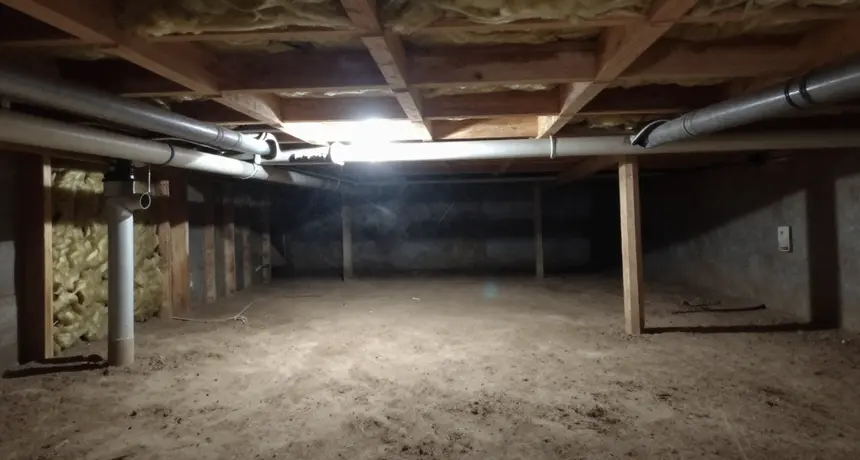
Crawlspaces carry a disproportionate share of Fairfax's hidden water problems for one reason: nobody goes down there. Water arrives by every route the rest of the house knows, plumbing runs that leak at their most inaccessible point, groundwater rising through exposed soil, grading and downspout failures at the perimeter, a water heater or HVAC condensate line quietly failing, and then it stays, unobserved, for weeks or seasons. The house reports it indirectly: floors that feel cool and damp, a musty smell strongest at the first floor, cupping hardwood with no visible spill, energy bills creeping as wet insulation quits working, and in the worst cases, the bounce of framing that has been wet long enough to matter.
Crawlspace calls start with an inspection dispatched through (703) 397-8315 and active flooding under the house gets same-day pumping on the same (703) 397-8315.
The Removal Scope, Working in the Worst Room in the House
Standing water pumps out first; saturated soil takes longer and drives the drying plan. Fallen and saturated insulation comes down and out, wet fiberglass between the joists is a permanent humidity source and a mold substrate, and any vapor barrier that trapped water gets pulled, cleaned, or replaced rather than left to stew. Framing and subfloor readings define the drying targets, and the equipment strategy is crawl-specific: low-profile air movers, ducted dehumidification, and sealed access to keep the space from re-loading off outside humidity while it dries. Mold on framing and subfloor faces, common by discovery time, routes the scope through Crawlspace Mold Removal.
Keeping It Dry: The Moisture-Control Conversation
A dried crawlspace over the same conditions re-wets on schedule, so every removal ends with the control plan: perimeter water management, grading, downspouts, and where groundwater persists, drainage to a sump as covered under Groundwater Seepage Flooding; ground vapor sealed under a proper barrier; and the ventilation question answered for the specific space, since Virginia's humid summers make open vents a moisture source as often as a cure, which is why sealed-and-conditioned encapsulation earns its cost in chronic cases. The diagnostics that decide between these paths live at Moisture Mapping.
 COMMON QUESTIONS
Frequently Asked Questions
More questions? Call (703) 397-8315, answered around the clock.
24/7 EMERGENCY DISPATCH
Water Under Your Fairfax Home?
It works on the whole house from below. Call (703) 397-8315 for pumping, drying, and the plan that keeps it dry. Licensed & insured Virginia contractors · (703) 397-8315 · Fairfax City and Fairfax County