24 HOUR FIRE & WATER RESPONSE - 7 DAYS A WEEK


How a Roof Makes Its Own Flood
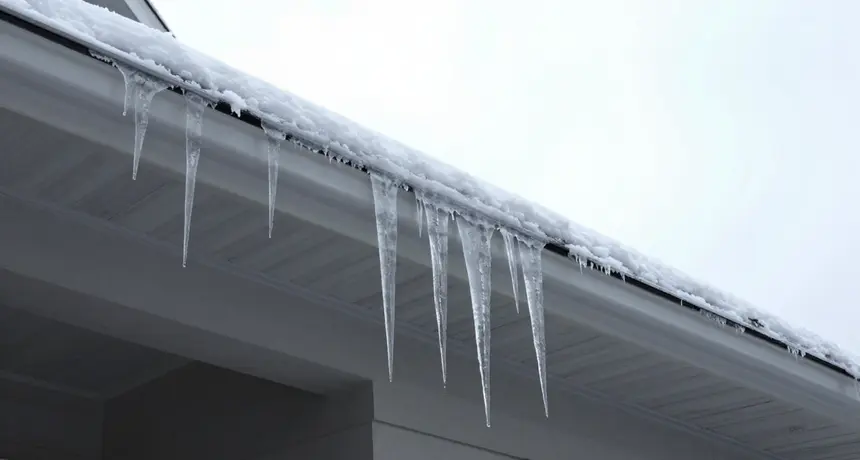
An ice dam is a heat-loss problem wearing a weather costume. Warm air escaping into the attic melts the snow blanket from below; the meltwater runs down the roof plane until it crosses the cold overhang past the exterior wall line, where it refreezes into a growing ridge. The ridge dams the next round of meltwater into a pond, and ponded water on a roof does what shingles were never designed to resist: it backs up under them and enters the sheathing, the top plates, and the wall cavities below. Inside, the loss shows as ceiling stains along exterior walls, water at window heads, and paint bubbling at the wall-ceiling joint, all in the middle of a Fairfax cold stretch, and right alongside the frozen-pipe season that makes winter this region's dual-peak loss period.
Interior response starts at (703) 397-8315 and for active dripping during a freeze, the same (703) 397-8315.
The Interior Scope: Cold-Weather Drying
Ice-dam water enters high and travels down through insulation and cavities, so the assessment opens from the attic: wet insulation metered and dispositioned, sheathing checked for saturation and early mold shadowing, and the wall cavities below the entry line traced with imaging. Drying in an occupied house during freezing weather takes planning, since ventilation options are limited and the wet assemblies sit against cold exterior surfaces; the equipment strategy leans on dehumidification and targeted cavity drying rather than open-window air exchange. Ceilings that took standing water get opened rather than painted over, with the mechanics shared at Ceiling Water Damage.
Removing the Dam Without Wrecking the Roof
Emergency relief means channels, not demolition: steamed or carefully cut paths through the ridge that let the pond drain, and calcium chloride socks laid vertically across the dam as a slower alternative. Hatchets, rock salt, and pressure washers end roofs. The permanent fix lives in the attic, not on the shingles: air-sealing the leaks feeding warm air up, insulation to current depth, and ventilation that keeps the roof deck cold so the snow melts from the sun's schedule rather than the furnace's. We document the heat-loss evidence as part of the interior scope, because the claim covers this winter's damage and the attic work prevents next winter's. The freeze season's plumbing-side losses run under Frozen Pipe Damage.
 COMMON QUESTIONS
Frequently Asked Questions
More questions? Call (703) 397-8315, answered around the clock.
24/7 EMERGENCY DISPATCH
Ice Dam Working on Your Fairfax Roof?
Every melt cycle adds interior damage. Call (703) 397-8315 for the drying scope and safe dam relief. Licensed & insured Virginia contractors · (703) 397-8315 · Fairfax City and Fairfax County