24 HOUR FIRE & WATER RESPONSE - 7 DAYS A WEEK


Your Damage, Their Source, Everyone's Paperwork
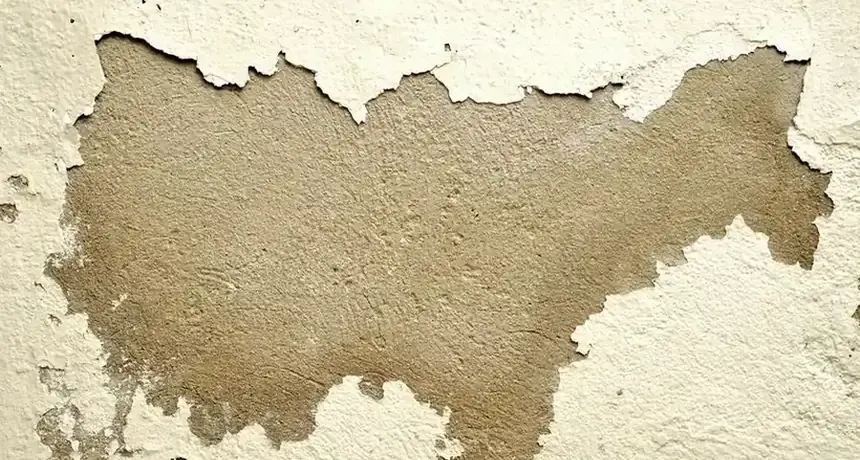
Vertical living means vertical water. In the condo and apartment stock along Fairfax's corridors, a failed supply line, an overflowed tub, or a neglected appliance one floor up becomes the downstairs neighbor's ceiling collapse, and the loss arrives with a built-in dispute: the damage is in your unit, the cause is in theirs, and the building's governing documents decide whose policy owns which layer of the assembly between you. The restoration cannot wait for that sorting, your ceiling is wet now, and the good news is it does not have to: your own policy responds to your unit's damage regardless of fault, and the carriers settle the cause question between themselves afterward.
Response for unit-to-unit losses runs through (703) 397-8315 and access coordination with the upstairs neighbor or management starts with the same call to (703) 397-8315.
The Assembly Between Units Hides Most of the Loss
What you see on your ceiling is the exit wound. Between the units sits a floor-ceiling assembly, joists, subfloor, insulation, sometimes ductwork and recessed fixtures, that absorbed the water first and holds it longest. Drying your drywall while the bay above it stays saturated is cosmetic work over an active problem, so the scope opens the assembly where readings demand it, dispositions the insulation, and dries the cavity to reference before anything closes. Recessed lights and ceiling fans in the wet path get electrical checks before re-energizing, and the collapse-risk judgment on a sagging, water-loaded ceiling is made early, from below, with the room cleared. The single-unit mechanics share ground with Ceiling Water Damage.
Who Pays for What: The Three-Policy Map
Condo losses run on three documents: your HO-6 policy covering your unit's interior and contents, the upstairs owner's policy carrying their liability, and the association's master policy covering common elements and, depending on its form, parts of the assembly between you. The governing documents draw the lines, walls-in versus walls-out master policies split responsibility differently, and the deductible allocation rules many associations adopt add another layer. Our documentation is built to serve all three files at once: cause evidence from the source unit where access allows, the migration path, and itemized damage by building layer. The neighboring-unit dynamics in fire form, smoke instead of water, are covered at Smoke Damage from a Neighboring Fire, and the claims navigation context at Water Damage Insurance Claims.
 COMMON QUESTIONS
Frequently Asked Questions
More questions? Call (703) 397-8315, answered around the clock.
24/7 EMERGENCY DISPATCH
Water Coming Through From Upstairs?
Your ceiling cannot wait for the fault question. Call (703) 397-8315 and the scope starts now. Licensed & insured Virginia contractors · (703) 397-8315 · Fairfax City and Fairfax County