24 HOUR FIRE & WATER RESPONSE - 7 DAYS A WEEK


Infrastructure Failures Flood Differently
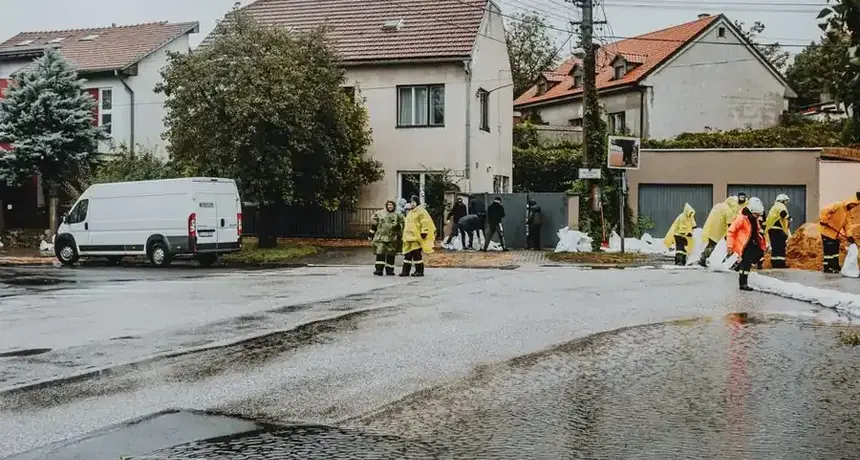
A municipal main break is a different animal from anything that fails inside a house. The volumes are industrial: a failed distribution main can move thousands of gallons a minute into the street, and the water finds low-lying properties through yards, window wells, driveways that slope toward garages, and foundation penetrations. It arrives carrying the soil it excavated on the way, so homes take on sediment-loaded water that behaves like a flash flood regardless of the clear sky above. Fairfax's water infrastructure, like most mature systems, carries mains across a wide age range, and breaks cluster in freeze-thaw swings when ground movement stresses the older iron.
If a main has let go near you, the utility gets one call and (703) 397-8315 gets the other; extraction cannot wait for the street repair, and (703) 397-8315.
The Cleanup: Sediment Changes the Scope
Main-break water gets handled with contamination awareness, pressurized soil transit puts it past clean-water rules, and the sediment load adds a muck-out phase most interior losses never need: silt removal from floors, wells, and mechanical equipment before drying can even start. Garage and lowest-level entries take the concentration, and the exterior side matters too, since saturated soil against the foundation keeps feeding seepage for days after the street is dry. The below-grade drying follows the basement discipline at Flooded Basement Cleanup, with chronic-seepage follow-on covered under Groundwater Seepage Flooding.
Who Pays When the Street Floods the House
Three paths exist and they are not exclusive. Your own policy may respond depending on how the water entered, with the surface-water exclusion looming over at-grade intrusion. A claim against the utility is available where negligence in maintenance or response can be shown, a higher bar than homeowners expect but a real one. And flood policies respond to surface inundation regardless of its municipal origin. What every path shares is an appetite for the same evidence: the break's location and timing, the water's route into the structure, entry photographs, and the utility's incident records. We build the file to serve whichever route your situation supports, alongside the claims context at Water Damage Insurance Claims.
 COMMON QUESTIONS
Frequently Asked Questions
More questions? Call (703) 397-8315, answered around the clock.
24/7 EMERGENCY DISPATCH
Main Break Flooding Your Fairfax Property?
Volume, sediment, and a liability question. Call (703) 397-8315 for the extraction and the evidence. Licensed & insured Virginia contractors · (703) 397-8315 · Fairfax City and Fairfax County