24 HOUR FIRE & WATER RESPONSE - 7 DAYS A WEEK


 RESTORATION INSIGHTS
You Think You Had a Chimney Fire. Check These Things Before You Light Another.
Call (703) 397-8315Had a Chimney Fire? What to Check Before the Next Log
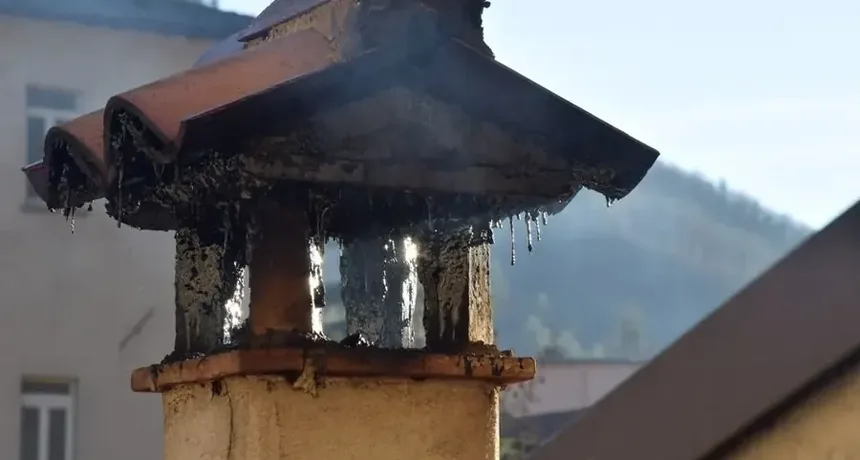
The dramatic version, flames torching out of the chimney top, a freight-train roar, neighbors calling 911, is the minority. Most chimney fires are quieter: loud popping or crackling from the flue, a hollow rumble, dense smoke from the top, an intense hot smell, and then it is over, sometimes before anyone is sure what happened. The fire burned the creosote lining the flue, ran out of fuel, and died, leaving damage exactly where you cannot see it.
What burned, and why it matters
Creosote is the tar-like residue wood smoke deposits on flue walls, and it is fuel: a flue coated in it carries a fire load waiting for one overheated ember. When it ignites, temperatures inside the chimney can spike far past what the structure was built to hold, and the materials record it, clay flue tiles crack and spall, liner joints open, mortar fails, and in the worst cases heat transfers through gaps toward the framing that surrounds the chimney. Fairfax's older neighborhoods carry the elevated version of this risk: original masonry chimneys from the 1950s serving decades of appliances, exactly the stock across places like Green Acres and the city's other mid-century blocks.
The checklist, from the ground
Look for puffy, honeycomb-textured creosote in the firebox and visible flue, the signature of creosote that burned. Check for flakes and chunks of creosote or tile in the firebox or on the roof around the chimney; fires shed debris downward and upward. Scan the chimney exterior for new cracks, and the attic, if you can access it safely, for smoke staining or a hot smell around the chimney chase. Any one of these says stop using the fireplace until a professional looks.
| Check | What it means if you find it |
|---|---|
| Puffy, honeycomb creosote in the firebox | Creosote burned; a flue fire occurred |
| Creosote flakes or tile chips in the firebox or on the roof | The fire shed debris; liner damage likely |
| New exterior cracks in the masonry | Thermal shock reached the structure |
| Smoke staining or hot smell at the attic chase | Heat escaped the flue; stop all use now |
The inspection that actually answers it
The condition of the flue interior is invisible from the hearth, which is why the post-fire standard is a camera inspection: a chimney professional runs a scope the full height and documents every tile, joint, and transition. Cracked liners are not a cosmetic finding; a compromised flue passes heat and combustion gases toward framing on the next fire, and that next fire is the one that reaches the house. Where an event did damage, the claim side matters too, chimney fires are generally covered as sudden losses, and the camera footage is the proof.
Why these fires cluster in Fairfax's older neighborhoods
The risk is not evenly distributed. A chimney built in 1955 has served seventy winters, often across multiple appliance generations, wood fireplace, oil furnace, gas conversion, each with its own residue and heat profile, and clay tile liners of that era were mortared with joints that seven decades of thermal cycling work open. Add the wood-stove inserts many owners added during past energy crunches, sometimes vented into flues never sized for them, and the older blocks of the city carry a structurally different risk than a 1995 townhouse with a factory-built fireplace. If your chimney predates you, assume nothing about its interior.
The insurance angle: covered, with homework
Chimney fire damage is generally covered as a sudden loss, liner replacement, masonry repair, and any structure damage included, but carriers distinguish the event from the maintenance that invited it: the creosote accumulation itself is a maintenance condition, and a flue that shows years of neglect can draw questions. The camera inspection footage answers most of them, documenting fresh fire evidence versus long-term deterioration, and it is one more reason the scope starts with the camera rather than the checkbook.
If the fire reached beyond the flue
When a chimney fire escapes, into the chase, the attic, the walls around the stack, the loss becomes a structure fire with the chimney as origin, and the recovery runs our full fire scope: assessment of heat and smoke spread, residue mapping, and the rebuild coordination at Chimney Fire Damage and Fire Damage Restoration. The prevention footnote writes itself: annual sweeping ahead of burning season keeps the fuel off the flue walls, and it costs less than any paragraph in this article.
24/7 EMERGENCY DISPATCH
Chimney Fire Damage in Your Home?
From flue to framing, scoped honestly. Call (703) 397-8315. Licensed & insured Virginia contractors · (703) 397-8315 · Fairfax City and Fairfax County