24 HOUR FIRE & WATER RESPONSE - 7 DAYS A WEEK


When the Heating System Is Also the Plumbing
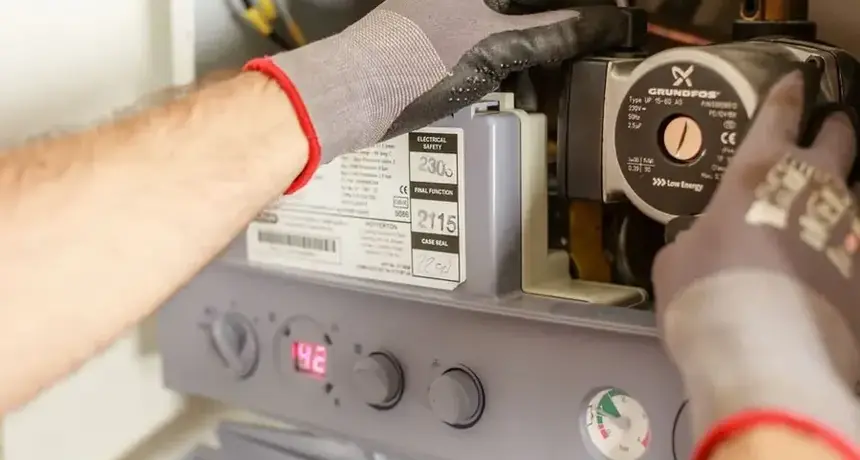
A meaningful slice of Fairfax's older housing heats hydronically: a boiler in the basement pushing hot water through radiators or baseboard convectors on every floor. The same era of construction that gives this county its oil-burner puffbacks gives it these systems, and their failure modes are all wet ones. Boiler relief valves lift and dump when pressure control fails. Circulator pumps and their flanged connections weep and then let go. Radiator valves seize and split, air-bleed fittings crack under a wrench, and the buried loops of converted gravity systems corrode from the inside across decades. Every one of those failures releases the system's charge, often scalding hot, chemically treated against corrosion, and dyed rusty by the iron it has circulated through for years.
Hydronic failures fill our winter board; the crew line is (703) 397-8315 and if the boiler is still firing against a leak, shut it down first and then call (703) 397-8315.
Hot, Treated, Iron-Stained: The Water Itself Shapes the Scope
Boiler water is not supply water. Its heat accelerates absorption into everything it touches and drives humidity into adjacent spaces fast; its corrosion inhibitors and accumulated iron oxides stain carpet and finishes on contact, putting a rinse-and-stain response ahead of the standard volume work; and its temperature can soften adhesives under resilient flooring in ways cold water never does. Radiator failures on upper floors add multi-level tracing, since a second-floor convector feeds ceiling cavities below exactly like a burst pipe would, mechanics covered at Ceiling Water Damage.
Coordinating the Heating Trade in Heating Season
These losses arrive with a scheduling problem attached: the failed component sits in the middle of the system keeping the house livable, and January does not wait. We run the drying scope in parallel with the boiler contractor's repair, sequence cavity closures around their pressure testing, and where the house must go without heat, plan the drying equipment for cold-space operation. The system side, valve, pump, or section replacement, belongs to the licensed heating trade; our documentation covers the failure evidence they and the adjuster both need. Boiler-adjacent oil-burner soot events, the dry cousin of this loss, live under Furnace Puffback Cleanup, and the overall drying discipline at Structural Drying & Dehumidification.
 COMMON QUESTIONS
Frequently Asked Questions
More questions? Call (703) 397-8315, answered around the clock.
24/7 EMERGENCY DISPATCH
Boiler or Radiator Flooding Your Fairfax Home?
Hot water works fast. Call (703) 397-8315 and get the drying scope moving alongside the heating repair. Licensed & insured Virginia contractors · (703) 397-8315 · Fairfax City and Fairfax County